Termite Prevention in Arizona: Best Practices to Protect Your Home

If you’re a resident of Phoenix, you know termites can cause major issues. These silent pests feed on wood, but can also damage cardboard, paper, books, and insulation. Your home is one of the biggest investments you’ll make, so it’s understandable to worry about what could be happening where you can’t see it. Arizona termites can work quietly behind walls and around structural wood, leaving homeowners to wonder if their home is actually protected.
Termite activity can mean damaged wood, unexpected costs, and another worry to add to everything else that comes with owning a home.
To help avoid termite damage, here are our top tips on how to prevent termites and keep your home protected from harmful pests. Blue Sky has offices in Gilbert, Tucson and Phoenix and serves the entire metro area, including Peoria, Mesa, Glendale, and out to Surprise.
Understanding the Threat: Why Arizona Homes Need Termite Protection
Termites don’t need much to make themselves at home. Arizona’s warm climate, summer moisture and abundance of wood and cellulose around residential properties can create favorable conditions for termite activity. Because termites often work out of sight, homeowners may not even notice a problem until there is visible damage.
Prevention helps address the conditions that make your property attractive to termites while giving you a better chance of early detection.
Common Signs of Termite Activity to Watch For
Termites can stay hidden for a long time, so knowing what to look for can help you catch activity before it becomes a larger concern. Keep an eye out for these common signs:
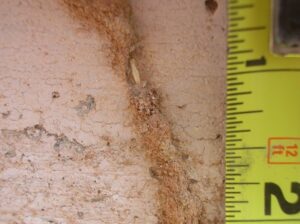
- Mud tubes along foundations, walls or other surfaces
- Discarded wings near windows, doors or light sources
- Wood that sounds hollow or appears damaged
- Flying termites, particularly after rain
- Unexplained cracks, bubbling paint or changes around wood surfaces
Spotting one of these signs doesn’t necessarily mean your home has extensive termite damage. However, a professionally conducted inspection can help determine what you’re seeing and whether your home needs additional protection.
DIY Prevention: How to Protect a House From Termites
You can take several practical steps to make your home less inviting to termites. From managing moisture to reducing easy access to wood, these simple measures can support a stronger termite prevention plan.
Remove Wood, Mulch, and Cardboard
Termites thrive on eating lumber, wood, mulch, paper, and cardboard. To discourage termites from entering your home, keep these materials as far away from your home’s foundation as possible. When these materials sit directly against your home, they can provide termites with both a food source and a concealed pathway toward the structure. Keeping wood, mulch, cardboard and other cellulose-based materials away from the foundation helps reduce termites’ resources.
Move Plants
Moving plants at least 2 feet from exterior walls will help prevent termites from moving into your home. While you’re at it, prune back trees and shrubs from the exterior and foundation of your home so termites can’t use the branches to enter. Keeping vegetation away from your home also makes it easier to spot signs of termite activity and helps reduce hidden, damp areas where termites may find favorable conditions.
Eliminate Excess Moisture
Termites are attracted to moisture, which can make leaks and damp areas around your home more inviting to termite activity. Reducing excess moisture helps remove one of the conditions termites look for when establishing and expanding a colony. Inside, inspect for leaky faucets and repair water-damaged walls, ceilings and floors. Outside, check the roof for leaks or small holes, turn sprinkler heads away from the home and make sure drains flow away from exterior walls. Pay particular attention to areas where water collects near the foundation, since keeping the soil around your home dry can help make the area less favorable to termites.
Seasonal Maintenance: Perform Regular Inspections
Perform Regular Inspections
Termites are active year-round, and peak termite season for Arizona is January through April and August to November. At the start of each season, check the interior and exterior of your home for signs of termites, including small, light brown termite tubes along the foundation, on walls, or descending from the ceiling, and be sure to check closets, corners of rooms, and the garage.
Walk around your home and pay attention to areas where termites are more likely to go unnoticed, including the foundation, crawl spaces, garages and other areas with limited visibility. Inside, look for changes around walls, floors, ceilings and other wood components.
A professional inspection can identify signs you may miss and help determine whether your home needs additional termite protection.
Why Professional Solutions Outperform DIY Approaches
DIY prevention can reduce the conditions that attract termites, but it can’t always address activity that’s already hidden from view. Professional termite protection combines a thorough inspection with science-backed treatment strategies designed around your home and the way termites behave in Arizona.
Instead of simply treating the termites you can see, trained professionals like Blue Sky Pest Control can look for activity you may not notice, identify potential entry points and recommend targeted protection.
When to Call for Professional Termite House Treatment
Closely following these termite prevention tips can go a long way toward lowering your risk of attracting termites. However, once activity is suspected, professional expertise can make the difference. If you’ve found any potential termite signs, it’s worth having your home evaluated before the problem gets worse.
At Blue Sky Pest Control, our termite control process starts with a thorough investigation. A licensed termite inspector determines the scope and severity of the infestation, identifies areas of activity and provides treatment recommendations.
From there, we develop a customized treatment plan. This may include digging a shallow trench around the structure and treating it with Termidor, a non-repellent product that termites cannot detect. As termites move through the treated area, they can transfer the product back to the colony, helping eliminate the source.
Blue Sky Pest Control is Arizona’s #1 Sentricon® termite protection installer, which is designed to eliminate the entire termite colony in two to three months.
Finally, treatments come with a treatment warranty. If you see evidence of new termite activity during the warranty period, we’ll come back and provide additional treatment at no cost. If you need to sell your home, the warranty is fully transferable, too.
When termites are involved, a professional evaluation from Blue Sky Pest Control gives you a clearer picture of what’s happening and a proven path toward protecting your home.