Beyond the Wood: Other Areas Where Termite Damage Can Occur

Quick: think about termites. What’s the first image that comes to mind? You probably saw a termite colony happily munching away on the wood in your home. But did you know that there are many other areas where termites can do serious damage? We’ve outlined a few of the most common and surprising ones below. If you live in Tucson, Gilbert or the Phoenix metro area and need termite control, we can help!
Why Books, Paper, and Clothing Are at Risk
So, what do termites eat, exactly? Termite diets consist of cellulose, found in plant fiber, which is difficult to digest. Special microbes and bacteria in their gut help them break it down, and they’re so single-minded about eating that they don’t even sleep, constructing tubes up to 60 feet long in pursuit of a food source. Since they can digest cellulose, almost anything made of plant fiber can be a potential food source, including clothing made from cotton, books and paper, cardboard, carpet, furniture and insulation.
For homeowners, common items like books, cardboard boxes, paper goods, and cotton clothing can be impacted. Books and paper deserve particular attention because they are made from processed plant fibers. If books, documents or boxes are stored in a damp, poorly ventilated area near a termite food source, they can be vulnerable to damage.
The practical takeaway isn’t to worry that every book or cardboard box in your home is causing a termite infestation. It’s to pay attention to where cellulose-based materials are stored. Keeping cardboard, paper and other plant-based materials off the floor and away from areas where moisture collects can make them less accessible.
Structural Obstacles: What Termites Damage While Tunneling
Termites don’t always travel directly from their colony to a food source. Subterranean termites construct protected pathways as they move in their environment, and those pathways can cross or conceal other materials along the way. This is one reason termite activity can be difficult for homeowners to identify without a closer inspection.
As termites move through a home, you may find termites in carpet, drywall or other components that stand between them and a cellulose-based food source. Damage to these materials may be secondary to the termites’ search for food.
That distinction matters when you’re trying to understand what exactly you’re seeing. A damaged section of insulation or carpet doesn’t necessarily mean termites were feeding directly on that material. It may indicate that termites were traveling through the area or creating access to wood and other cellulose sources nearby.
What Else Do Termites Eat?
Termites eat wood as their primary food source, but termites can encounter and damage a surprising range of materials around your home. Here’s what to know about some of the most common questions homeowners have.
Can Termites Eat Concrete?
No. Termites cannot digest concrete. However, they can travel through tiny cracks and gaps in concrete to reach wood.
Do Termites Eat Clothes?
Yes. Cotton and other natural plant fibers contain cellulose, which termites can consume. Synthetic fabrics generally aren’t a termite food source.
Do Termites Eat Books?
Yes. Books and other paper products contain cellulose, making them potential food sources for termites, particularly when stored in damp or undisturbed areas.
Do Termites Eat Furniture?
Yes. Wooden furniture can provide termites with a source of cellulose. Drywood termites can also infest wooden furniture and remain hidden inside.
Do Termites Eat Plastic?
No. Termites cannot digest plastic. They may tunnel around or through plastic while traveling toward a food source, which can make it appear as though they are eating the plastic.
Do Termites Eat Insulation?
Some types of insulation can be damaged by termites. While the insulation itself may not be their primary food source, termites can burrow through soft insulation or consume cellulose-based paper backing.
Do Termites Eat Metal?
No. Metal is not a food source for termites.
Do Termites Eat Treated Lumber?
Treated lumber can be more resistant to termites, but it isn’t necessarily termite-proof. Depending on the type and condition of the treatment, termites may still damage treated wood.
Identifying Termite Activity in Floors and Outdoor Areas
Some of the easiest termite activity to miss is happening below eye level. Floors, foundations, garages, patios and areas around landscaping can all deserve attention because they are close to the soil and other conditions subterranean termites rely on.
Inside your home, watch for unexplained changes around wood flooring, baseboards and other areas that connect to the structure. Outside, look along the foundation and around patios, wooden structures, landscaping materials and other places where soil and structural components come close together. Leaking irrigation, poor drainage or areas where water regularly collects can create conditions that are more favorable to termite activity.
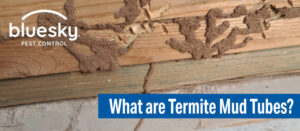
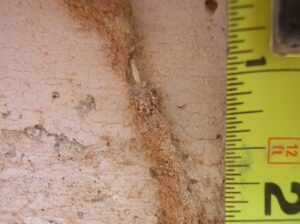
If you notice mud tubes, discarded wings, damaged wood or other unexplained changes, take a closer look. Catching termite signs early can give you more options for protecting your home.
When to Schedule an Inspection
If you’ve noticed possible termite activity, found a swarm or are concerned about conditions around your foundation, a professionally conducted inspection can help replace uncertainty with a clearer picture of what’s happening. Termites can also get a head start in Arizona homes during rainy seasons.
A professional inspection looks beyond the most visible areas of your home. It can help identify signs of activity, conditions that may encourage termites and areas where additional protection is needed.
The lesson here is simple: keep an eye on your home for termite damage; it might not be in the places you expect. Schedule a free termite inspection to cover all your bases. Blue Sky provides termite control and prevention for homes and businesses throughout Tucson and the Phoenix metro area, including Avondale, Surprise, Gilbert, and Scottsdale.
When it comes to termites, knowing where to look is part of protecting what matters and lowering your risk. A proactive inspection can help you understand the condition of your home and determine whether professional termite protection is needed for your property.