A Rainy Summer Gives Termites a Head Start in Arizona

Key Takeaways
- Monsoon rains in Phoenix create ideal conditions for subterranean termites, triggering early swarming season and increasing the risk of home infestations.
- Termites can enter through extremely small gaps and thrive in moist soil, making unprotected homes especially vulnerable.
- Common warning signs include mud tubes, flying swarmers, and wood with a hollowed or honeycombed appearance.
- Prevention includes reducing moisture, removing wood debris, sealing entry points, and maintaining proper drainage around your home.
While recent rains in Phoenix and the surrounding areas are giving us a break from the heat, they’re bringing some unwanted visitors, as well.
The monsoon weather pattern has started a bit early this year, and so is termite season. Termites love moisture, and moist soil conditions also provide ideal conditions for swarming termites to survive and establish new colonies.
Subterranean termites typically swarm at night during the rainy season from July to September. Swarms are secondary communities within the primary colony that break out on their own to find a new habitat and foraging area – and for termites in Arizona, that often means unprotected homes. Wet soil also makes it easier for termites to access your home since the soil is not as hard.
Termites only need the tiniest of spaces to begin making a home in your walls, roof, or structural timbers – they can fit through a gap only 1/32” wide! That’s why we recommend both prevention and treatment tactics to keep these destructive pests out of your home.
Make sure you get an early start on termite prevention since this rainy season has given termites in Phoenix a head start. Here are some tips on termite-proofing your home this summer:
- Re-establish a termite barrier around your home. We recommend using a non-repellent product which will help destroy the termite colony.
- Ensure that you have proper grading around your home. Make sure that water is draining away from your home’s foundation.
- Fix any water leaks you might have around your property – including leaky outdoor faucets or leaky gutters that drip toward your home’s foundation.
- Clean up any plant debris, cardboard, and dead plants, bushes or trees around your property. Cellulose is the biggest food source for termites, so make sure there isn’t any readily available to a hungry colony.
- Eliminate “wood to ground” construction that gives termites easy access to their food source, such as patios or exposed wood beams in cement foundations. Keep wood piles far away from your home.
Also, be on the lookout for signs of termites in your home during this early termite season. Signs include:
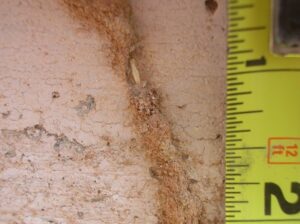
- Mud tubes poking out of the carpet or down from the ceiling. Termites construct these tubes over, around and through objects in order to reach food sources.
- Swarming (flying) termites: These look similar to winged ants, but have a thick waist and straight antennae.
- Wood in and around your home that has a honeycombed appearance: Subterranean termites tend to eat soft wood fiber and will leave the harder woodgrain behind.
If you notice any of these signs (remember, you may see them earlier than expected this year in Arizona!) be sure to give Blue Sky Pest control a call – we will take care of your problems before a termite colony can cause you thousands of dollars’ worth of damage. We have offices in Gilbert, Phoenix, and Tucson that allow us to serve those entire metro areas.