Occasional Invaders: What Are They and What Can We Do About Them?
Key Points
-
Occasional invaders are outdoor bugs that accidentally wander inside Arizona homes. They don’t infest houses and usually don’t want to be indoors any more than you want them there.
-
Many of these insects and spiders are actually beneficial, helping control true pests or break down organic matter. In most cases, they can simply be caught and released back outside.
-
Some invaders are seasonal and show up in large numbers at certain times of year, especially after heavy rains or during hot summers. Examples include false chinch bugs and darkling beetles that gather around lights and may slip inside through small openings.
-
Prevention is key. Sealing cracks, repairing weather stripping and screens, reducing outdoor lighting attraction, trimming vegetation, and removing yard clutter can significantly reduce the number of unwanted bugs indoors.
What is an occasional invader? Seems simple enough, a bug that randomly wanders into your home. Well, that may be true but it’s a bit more complicated than that. Here, we are going to look at what exactly is meant by “occasional invader” and what pests in Arizona are common invaders. We will also look at some pests that are seasonal in nature that often invade in large numbers around the same time of year every year.
Most occasional invaders are one-offs that accidentally find themselves trapped inside your home. Here we are talking about Arthropods: insects, spiders, sowbugs, sun spiders, and like animals. These critters don’t want to be there. You don’t want them to be there either. These animals live outside and don’t infest homes. These outdoor animals are not considered pests by most people. In fact, most of these Arthropods are great candidates for gently catching them and simply putting them outside to do the important job of being a useful “bug”.
Why You Should Let Them Go
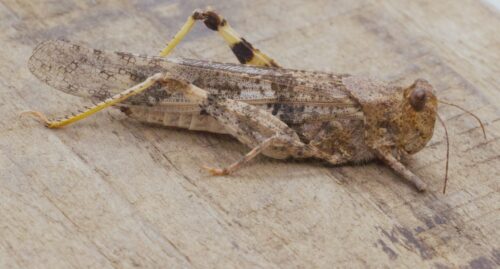
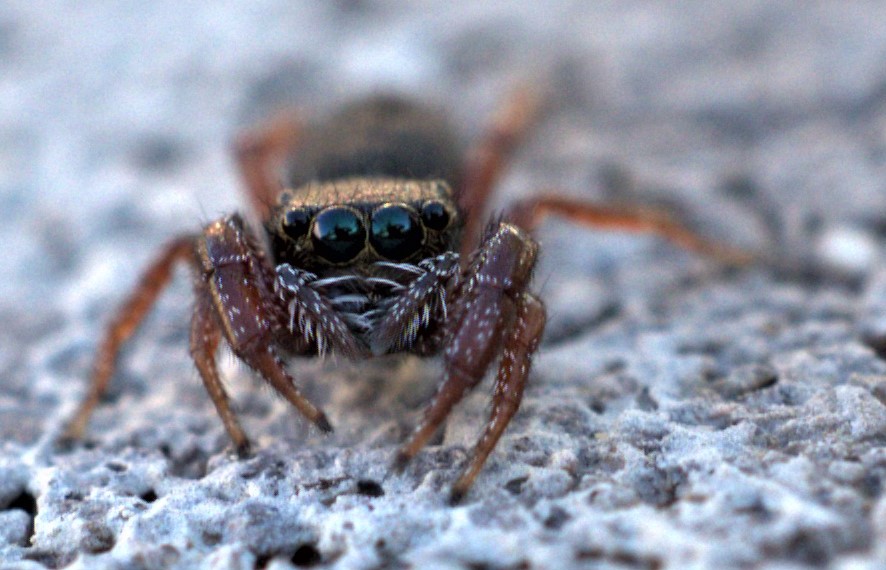
Why would we “catch and release” a bug? Seriously, lots of reasons. Many common bugs eat the real pest species we all hate like flies, cockroaches, aphids, etc. Others are important in breaking down dead plants and animals so that they don’t pile up in our yards. Every creature has a job and when they help us or our environment, we should try to restore them to the outside safely. Some common examples of single insects wandering inside would be grasshoppers, lacewings, sowbugs, most beetles, plant bugs, plant hoppers, webspinners, etc. These insects are often attracted to lights and end up inside your home through nearby cracks or other openings. Spiders and other Arachnids can also be considered occasional invaders such as a jumping spider in the front window. These animals don’t infest your home and when trapped there most soon die.
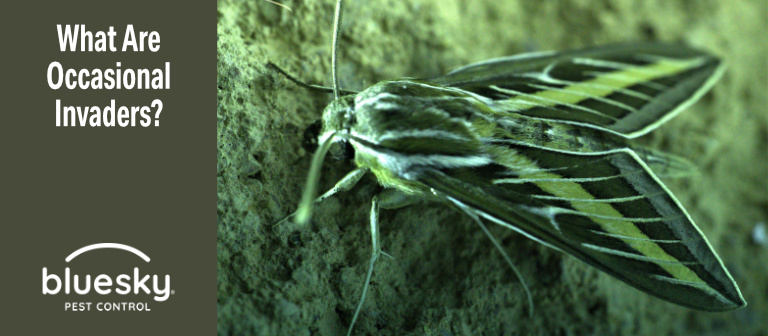
Moths are a great example of a light-attracted occasional invader. The vast majority of moths feed on nectar while their caterpillars feed on plants. The adults are highly attracted to lights and will collect at windows and doors at night. If any openings into the home exist such as worn or cracked weatherstripping or ripped window screen, then some of these moths will end up in the home. What then? They either find their way out again, or, more likely, they slowly die over a few days. Not a great way to go…
Seasonal Invaders
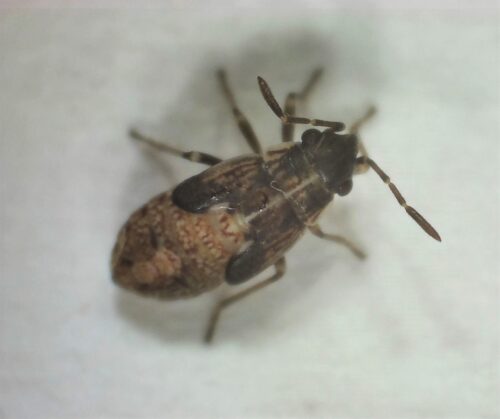
The other type of occasional invader is the seasonal pest. These are outside bugs that typically don’t bother anyone until the right season comes along when their numbers just seem to explode. A number of these occur in the Phoenix area about the same time each year. An example would be the false chinch bug, Nysius Raphanus. This true bug in the Family Lygaeidae is a small insect at about ¼ inch which feeds on weeds of the mustard family like London rocket. These plants are common in the Phoenix area. These little bugs can occur in huge numbers in Spring after heavy rains. False chinch bugs group up before migration where they search for new plants to feed on. Meanwhile, they are attracted to lights and will sometimes cover walls of homes in their thousands! If openings into the house are present, then hundreds will find their way in. This can certainly be a shock at the breakfast table!
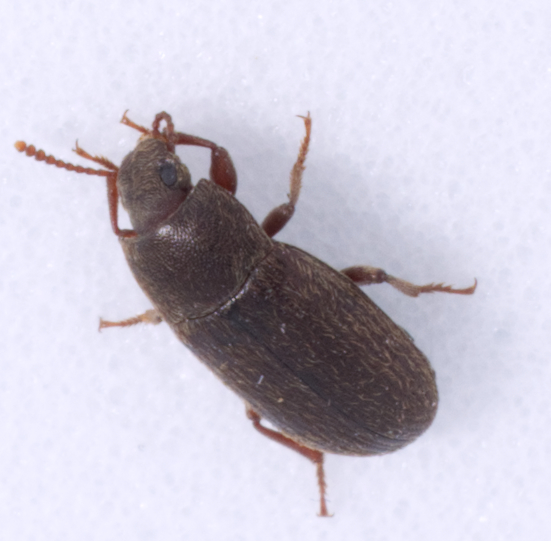
Another example would be the small darkling beetles we get in the summer in Phoenix. These brown beetles start to accumulate around lights and doors and will often get into homes and other buildings. These beetles don’t hurt anything but can be a real nuisance when there are dozens in your home.
What To Do
So, what do we do about these annoying bugs? Is Phoenix simply plagued so we can do nothing? No, certainly not. Arizona residents and businesses can do a lot to minimize the negative impact of these pesky bugs. First, check the home carefully. After dark, turn on all inside lights while keeping outside lights off. Go outside and stand in front of each door/window and really look at it. Can you see light coming out from inside around seals or door sweeps? So can the bugs. These small openings are barely noticeable to most of us but are huge welcome signs to pests. Replace any worn or ripped weather stripping and door sweeps. Repair ripped window screens as well.
Next, look at the outside lighting. Do you really need to have these lights on all night? If you want them on for safety, then consider motion detector-activated lights. They will save electricity but will still provide security. Don’t like that idea? How about changing the current bulbs to ones that don’t attract flying insects as much? Warm LED bulbs have been shown to be less attractive to bugs than standard incandescent bulbs, use less electricity, and produce less heat. Compact fluorescent and sodium vapor bulbs also work well. Managing the lights at night will eliminate many problems before they start.

Next, do a daytime inspection. Note weeds and clutter in the yard, Are there any overgrown trees or shrubs? Are weeds present? These types of things provide hiding areas and overwintering spots for pests. Trim vegetation and pick up clutter. Move firewood as far away from the house as possible. Dump any standing water in containers such as flower pots or wheelbarrows. Remove the reasons why a bug chooses to be in your yard versus that of your neighbor’s.
Occasional Invaders Conclusion
So occasional invaders in Arizona are outside bugs that accidentally find themselves inside your home. Although mostly just a nuisance, keep them outside by following a few relatively simple but effective steps as outlined here. You will find far fewer unwanted guests at your door (and windows) or lurking in your kitchen. Arizona residents have enough to worry about without inadvertently inviting these bugs to breakfast. We serve the entire metro area from our offices in Gilbert and Phoenix, including Peoria, Surprise, Mesa, and more! We also serve the entire Tucson area from our office there, including Marana and Oro Valley.