What are Termite Mud Tubes?
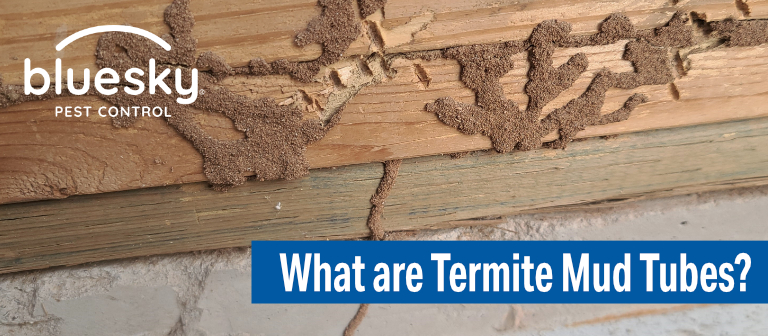
Termite mud tubes are one of the clearest signs of subterranean termite activity, but finding one around your home can leave you wondering what it means. These narrow, mud-like pathways allow termites to travel between their underground colony and aboveground food sources while protecting them from drying out.
If you spot a mud tube along your foundation, walls, floors or other areas of your home, don’t ignore it. Understanding why termites build these tubes, where to look for them, and what they can reveal about termite activity can help you take action before damage has had a chance to develop.
Quick Points About Termite Mud Tubes
Termite mud tubes are protective tunnels made of soil, wood, and saliva that subterranean termites use to travel between their underground colony and food sources while retaining moisture. They typically appear as narrow, vein-like tubes (¼–1 inch wide) along foundations, walls, or ceilings, and their presence is a strong sign of an active termite infestation. There are four main types of tubes: exploratory, working, swarm, and drop tubes, each serving different roles like finding food, transporting termites, or supporting colony expansion. Preventing termites involves sealing cracks, keeping wood away from your home, maintaining structures, and scheduling regular inspections, since professional treatment is usually needed to fully address infestations.
Unfortunately, termites are extremely common in the Phoenix area. Mud tubes are pathways termites use to connect colonies in the soil to food sources above ground, working as shelter to protect termites from predators while locking in the moisture needed for termites to survive.
Termite tubes can sometimes extend as far as 60 feet as termites search for a food source. If you discover one around your home, its location and condition can provide useful clues about where termites may be traveling.
What is a Termite Tube?
A termite mud tube is a tunnel used by subterranean termites to help protect them from drying out and from predators. These tubes are composed of soil, wood, and saliva and shelter termites while they work and obtain sustenance.
A termite tube also provides a protected route between the colony underground and food sources above ground. Because subterranean termites rely on moisture, these tubes help maintain the conditions they need as they travel through exposed areas. Finding a termite tube around your home is an important sign that you should investigate.
What Do Termite Tubes Look Like?
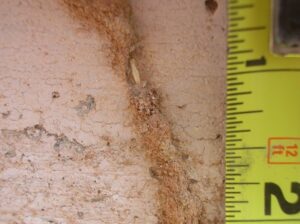
Termite tubes are generally ¼ to 1 inch in diameter and look like veins spread across a foundation, ceiling, or walls. Their color varies based on the density and activity of the infestation.
These termite mud tunnels can look different depending on whether they are actively being used. Fresh tubes may appear moist, intact and lighter in color, while abandoned tubes are often dry, brittle and cracked. However, a dry or damaged tube doesn’t necessarily mean termites are gone.
Discovering termite tubes should not be taken lightly, as it indicates an infestation and calls for immediate action; simply removing the tubes isn’t enough, since termites work quickly and will rebuild them quickly. If you find a termite tube, avoid relying on its appearance alone to determine whether it is active. A professional inspection can help identify signs of current activity and determine where termites may be traveling.
Types of Termite Tubes
Subterranean termites are one of three main types of common termites, and they build different types of tubes depending on what they’re trying to accomplish. Understanding these termite tubes can help you recognize how termites may be moving through and around your home.
Exploration Tubes
Exploratory tubes are used in search of food sources, growing as high as 15 feet above ground; these thin, delicate tubes come from the soil but don’t connect to a food source, and by the time they’re discovered, they’ve usually been abandoned, which indicates termites have ventured deeper into a structure to find food.
Working Tubes
Working tubes are essentially the transport tunnels between food sources and the termites’ nest, built more durably than exploration tubes to allow long-distance travel along foundations and walls. They’re commonly found in places like window frames, subflooring, and under porches and decks.
Swarm Tubes
When winged swarmer (alate) termites prepare to leave and start new colonies, worker termites build temporary swarm tubes, also called swarm castles, to protect and organize the swarmers; these can be very large, up to four feet wide. When ready to move out, workers direct the winged swarmers out of the swarm castle.
Drop Tubes
Drop tubes are easy to identify because they often resemble stalagmites in caves. Lighter in color than other mud tubes, they contain more wood fibers and less mud. Dropping from the ceilings of structures, drop tubes connect to working tubes, making food sources more accessible to termite workers and increasing humidity by reestablishing contact with the soil.
Why Are Termite Tubes Bad?
Mud tubes alone aren’t the problem; the issue is what they imply.
Providing a protected gateway into your home, mud tubes are a sure sign of infestation. If you stumble upon a termite mud tube, take immediate action.
The bigger concern is what may be happening beyond the tube. Subterranean termites can use these protected pathways to reach structural wood, including framing, floor joists and other wood components that help support your home. Because much of this activity can happen out of sight, visible termite tubes may be only one part of a larger problem.
Delaying an inspection can give termites more time to feed and expand their access to the structure. The longer damage continues, the more extensive repairs may become.
Where Can People See Termite Tubes?
Termite mud tubes are most easily spotted along exterior concrete walls or a home’s foundation. Sometimes they’re difficult to detect because they’re hidden in places like crawlspaces, cracks in the foundation, behind baseboards, or inside walls.
In Arizona, homeowners may also find termite mud tubes in yard areas near the foundation, especially where soil, landscaping or irrigation creates a path toward the home. Shaded, moist areas can be particularly important to check, including behind shrubs planted close to the house, where irrigation and plant moisture can create favorable conditions for termite activity. Inside, look for tubes on wall surfaces, along baseboards, near plumbing penetrations and around areas where the foundation connects to the structure.
Pay particular attention to garages, patios, utility entry points and other areas where soil meets the home. Keeping these areas visible can make it easier to spot termite activity before it becomes hidden behind walls or other building materials.
Termite Mud Tubes vs. Carpenter Ant Trails
Termite mud tubes are sometimes called termite trails, but the terms can describe the same visible pathway termites use to travel between their colony and a food source.
Termite mud tubes and carpenter ant trails can be easy to confuse, but they’re created for very different reasons. Subterranean termites build mud tubes from soil and other materials to protect themselves while traveling between their colony and a food source. Carpenter ants do not build these same types of protective tunnels.
People sometimes search for the term “carpenter ant mud tubes,” but what you’re likely seeing is actually a termite mud tube or another type of insect trail. Carpenter ants may leave behind sawdust-like material, called frass, near nesting areas, but they typically excavate galleries in wood rather than construct mud tubes.
If you’re unsure what you’ve found around your Arizona home, identifying the pest correctly is the first step toward choosing the right treatment.
Schedule a Free Termite Inspection
Termite mud tubes by themselves pose no danger, but what’s inside could be wreaking havoc on your home. If you discover a termite mud tube, don’t wait to see if it goes away.
Blue Sky Pest Control has been protecting Arizona homes from termites and other pests for more than 20 years. Our highly trained technicians can inspect your property, identify signs of termite activity, and recommend a customized termite control plan based on their findings.
Take the guesswork out of termite protection and get back to enjoying peace of mind in your home. Schedule your free termite inspection with Blue Sky today.